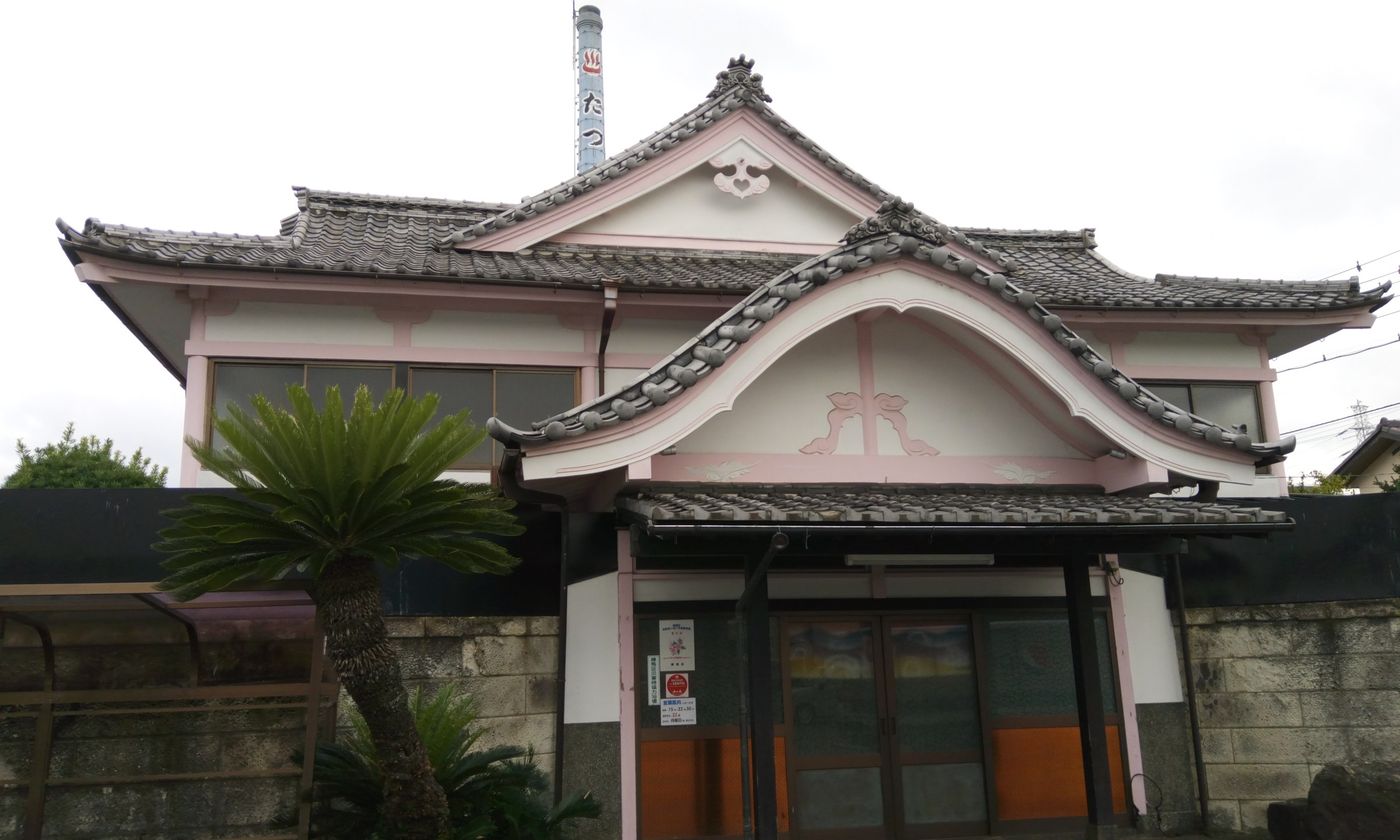
A neighbourhood sento is the best thing to do in Tokyo when it’s raining and you’re cold, and it costs less than a coffee and a pastry.
It’s also the activity foreign visitors most often talk themselves out of, for three reasons: not knowing the sequence, not knowing what it costs, and not knowing whether tattoos are a problem. All three have clear answers.
The price just changed: it’s ¥600
This is the part that most English-language guides currently have wrong, so it’s worth being precise.
| Category | Fee |
|---|---|
| Adults (12 and over) | ¥600 |
| Children 6 to under 12 | ¥200 |
| Children under 6 | ¥100 |
The adult fee rose from ¥550 to ¥600 on 1 August 2026. The children’s rates were left unchanged.
Two things follow from this that are genuinely useful:
It’s the same everywhere. This isn’t each bathhouse’s own pricing — it’s a regulated maximum set for Tokyo, so every public sento in the city charges the same for basic entry. You don’t need to shop around, and a bathhouse asking noticeably more is charging for something extra, like a sauna.
Check the date on any price you read. The Sento Association’s own English pages still show ¥550 “as of July 2024” at the time of writing. The current figure is on the Japanese fee notice, linked above. If you see ¥550 quoted somewhere, it isn’t wrong so much as out of date.
Bring coins. This is a ¥600 transaction at a small counter, not a card terminal.
Tattoos: the honest answer
The Tokyo Sento Association’s own English column states it directly: “sentos do not discriminate against people with tattoos.”
That’s a meaningful statement from the industry body, and it’s the reason sento are a different proposition from many onsen resorts and gyms, where tattoo bans are common and strictly enforced.
The honest caveat: that’s the association speaking in general terms. Individual bathhouses are individually run and set their own house rules, and the association’s statement isn’t a guarantee about any specific door. If you have large or highly visible tattoos and you’d rather not risk an awkward moment, check the individual bathhouse before you go.
The sequence, start to finish
Here is the whole thing. It’s shorter than the anxiety about it.
1. Shoes off at the entrance. Take off your shoes and put them in the shoe locker.
2. Pay at the counter. ¥600 for an adult. The counter is often between the two changing rooms.
3. Find the right door. Men and women bathe separately. In Tokyo the separation applies from age 7 by regulation, so older children go with the same-gender parent.
4. Changing room: everything comes off. The official guidance is explicit that this is bathing without clothes — “Swimsuits and underwear can not be worn.” Use a vacant locker. The association also advises not bringing valuables or large amounts of cash to a bathhouse.
5. Take a small towel in with you. It’s used for washing and then for drying. Conventionally it stays out of the bath water itself — people fold it and rest it on the edge or on their head.
6. Wash before you get in. This is the rule that actually matters. You sit on a stool at a tap, fill the basin, and wash thoroughly. The bath is for soaking in clean, not for cleaning yourself.
7. Soak. Then wash again if you like, then soak again. There’s no schedule.
8. Dry off before the changing room. Wring out the small towel and dry down before you walk back to your locker.
That’s it. Nobody is watching you as closely as you think, and the sequence above covers essentially everything that would mark you out.
What to bring
The association’s pages don’t state whether soap, shampoo and towels are provided, and in practice it varies from bathhouse to bathhouse — some have everything, some have nothing, some sell small kits at the counter.
Assume nothing is provided and you’ll never be caught out:
- A small towel (washing and drying)
- A larger towel if you want one for afterwards
- Soap and shampoo, or the willingness to buy a set at the counter
- Coins for the entry fee and any vending machine
- A plastic bag — on a rainy day you’ll be putting damp clothes back on over a warm body, and a bag for the wet towel matters more than usual
Why this is specifically good in the rain
You’re already wet. That’s the whole argument.
Every other rainy-day plan in Tokyo involves staying dry and failing at it in some small way — damp socks, a wet umbrella you have to carry around, a coat that doesn’t dry. A sento inverts it. You arrive soaked, you get properly hot, and you come out warm.
There’s also availability. Sento are neighbourhood infrastructure spread across the city rather than a destination you have to travel to, so there’s usually one within reach of wherever you already are. No booking, no timed entry, no sell-outs — which is exactly what a rainy day, when every indoor attraction fills up, tends not to offer.
Opening hours vary by bathhouse, and many open in the afternoon and run late into the night rather than opening in the morning. That’s a different rhythm from museums, and it makes a sento a good end to a wet day rather than a way to fill the middle of one.
Before you go
- Look up the specific bathhouse’s hours — they’re set individually, not centrally.
- Don’t rely on English being available. The association’s own column identifies language as the main barrier for foreign visitors, and notes that English signage is still the exception rather than the rule. The sequence above is your substitute.
- Go on your own schedule. No reservation exists to make.
For a full wet-weather day, and where a bath fits into it, see our rainy-day Tokyo itinerary.