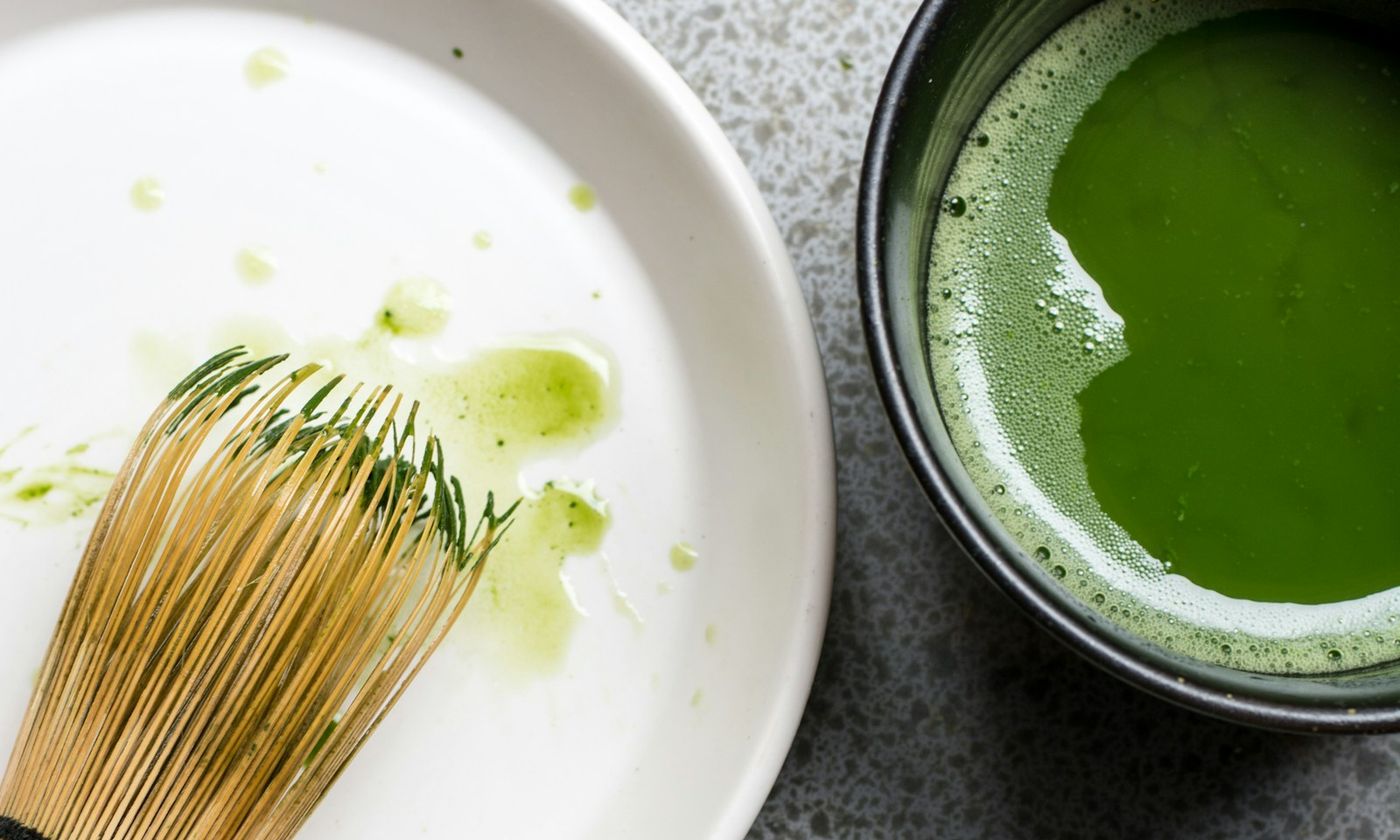
Most people picture a tea ceremony as something you watch: someone in a kimono performs, you sit very still, and you hope you don’t do anything wrong. That’s not what a beginner session in Asakusa is. You’re the one whisking the tea, someone explains every step in English, and the whole thing is designed on the assumption that you’ve never done it before.
It also happens to be one of the better things to do in Tokyo in the rain. It’s entirely indoors, it runs on a fixed schedule regardless of weather, and the venue is a two-minute walk from a station exit — which matters more than it sounds when it’s coming down hard.
What actually happens, start to finish
The session at MAIKOYA’s Asakusa location runs about 90 minutes total, and it’s worth knowing that this isn’t 90 minutes of ceremony.
First ~30 minutes: getting dressed. If your booking includes the kimono, this is where it happens. You pick a kimono, someone dresses you — and this genuinely takes a while, because a kimono involves a lot more layers and tying than it looks like from outside. The official site notes the tea ceremony itself is scheduled to begin roughly 30 minutes after your appointment time, so the dressing is built into the schedule rather than eating into the ceremony.
Then: the ceremony. It takes place in an Edo-period-style Japanese room. An English-speaking tea master walks the group through the steps and the thinking behind them — the zen ideas the ritual is built on, not just the mechanics. You learn the sequence, then you make your own bowl of matcha.
Throughout: photos. The venue provides Japanese-style backdrops. If you’re in kimono, this is the part people actually keep.
One thing to set expectations on: this is a group session, and other guests may be seated with you. If you were imagining a private audience with a tea master, that’s a different (and more expensive) format.
Do you have to kneel? No.
This is the single most common worry about tea ceremony, and it stops a lot of people from booking. Sitting in seiza — folded under yourself on the floor — is genuinely painful if you’re not used to it, and it’s a real problem for anyone with knee, hip, or back issues.
The official guidance for this venue is that you can sit comfortably in whatever way you prefer, and that bamboo chairs are provided on request. If you need one, ask when you book or when you arrive rather than hoping to sort it out mid-session.
What’s included
Per the official listing, the session includes:
- Kimono costume
- Green tea and water
- All the utensils
- An English-speaking tea master
- The Edo-period-style Japanese room
- Japanese-style photo backdrops
We’re not quoting a price here, because it moves with the option you pick (kimono or not, group or private, add-ons) and with the season. Both booking routes below show current pricing before you commit.
Where it is, and getting there in the rain
The venue is at 1-12-2 Asakusa, Taito-ku. Two useful approaches:
- Tsukuba Express, Asakusa Station, Exit A4 — 2 minutes on foot. This is the one to use in bad weather.
- Tokyo Metro Ginza Line / Toei Asakusa Line, Asakusa Station, Exit 1 — 6 minutes on foot. Fine in light rain, less fun in a downpour.
Most visitors arrive via the Ginza Line because that’s the line that serves Senso-ji and the rest of Asakusa. If it’s genuinely pouring and you have the choice, the Tsukuba Express exit cuts the walk by two thirds.
Session times
Sessions run hourly, from 9:00 to 18:00. Because slots are reservation-based rather than walk-in, the practical planning move is to book the slot first and build the rest of your Asakusa afternoon around it — not the other way round.
Who this isn’t for
Children under 7 are not admitted. This is a firm rule at this venue, so if you’re travelling with young kids, this particular experience is out and you’ll want a different plan for that afternoon.
What to wear
If your booking includes the kimono, you don’t need to dress up — you’ll be changing anyway. Casual clothes are explicitly fine as the alternative if you’d rather not wear kimono at all.
Two practical notes that aren’t venue rules but are worth knowing: traditional tea rooms are tatami-floored, so expect to be out of your shoes, and a decent pair of socks is a better look than bare feet. And if you’re doing the kimono, wear something simple and not bulky underneath — it makes the dressing faster and more comfortable.
The etiquette you actually need
Almost none, which is the point of a beginner session — the host walks you through it. But three things make the experience less anxious:
- Take the bowl with both hands, and turn it slightly before you drink. You’ll be shown exactly how. The turn is a gesture of respect toward the bowl’s decorated front.
- It’s fine to make noise on the last sip. Finishing audibly is conventional, not rude.
- Matcha is bitter, and it’s supposed to be. Any sweet served alongside is there to balance it — eat it before you drink, not after.
Asakusa or Shinjuku?
The same operator runs a separate Shinjuku location. The experiences are similar but they are different bookings at different addresses, and it’s an easy mistake to book one and show up at the other. Check the address on your confirmation matches the neighbourhood you’ll actually be in that day.
If your rainy-day plan is centred on old Tokyo — Senso-ji, Nakamise, the backstreets — Asakusa is the one. If you’re based around Shinjuku and don’t want to cross the city in the rain, take the Shinjuku session instead.
Booking
Slots are reservation-based, and popular times fill up, so this isn’t something to leave until the morning of.
You can book directly with the operator through the official site (opens in a new tab), or through Klook (affiliate) (opens in a new tab) if you’d rather keep this alongside other tours and tickets in one booking account. Both show current pricing and availability before you pay; pick whichever suits how you’re organising the rest of your trip.
Pairing it with the rest of a wet day
A 90-minute indoor session slots neatly into an Asakusa afternoon that doesn’t depend on the weather. Senso-ji’s main hall and the covered Nakamise shopping street are both a short walk away, and the arcade sections give you somewhere to be when it’s heaviest.
For a full day built around this kind of thing, see our rainy-day Tokyo itinerary.