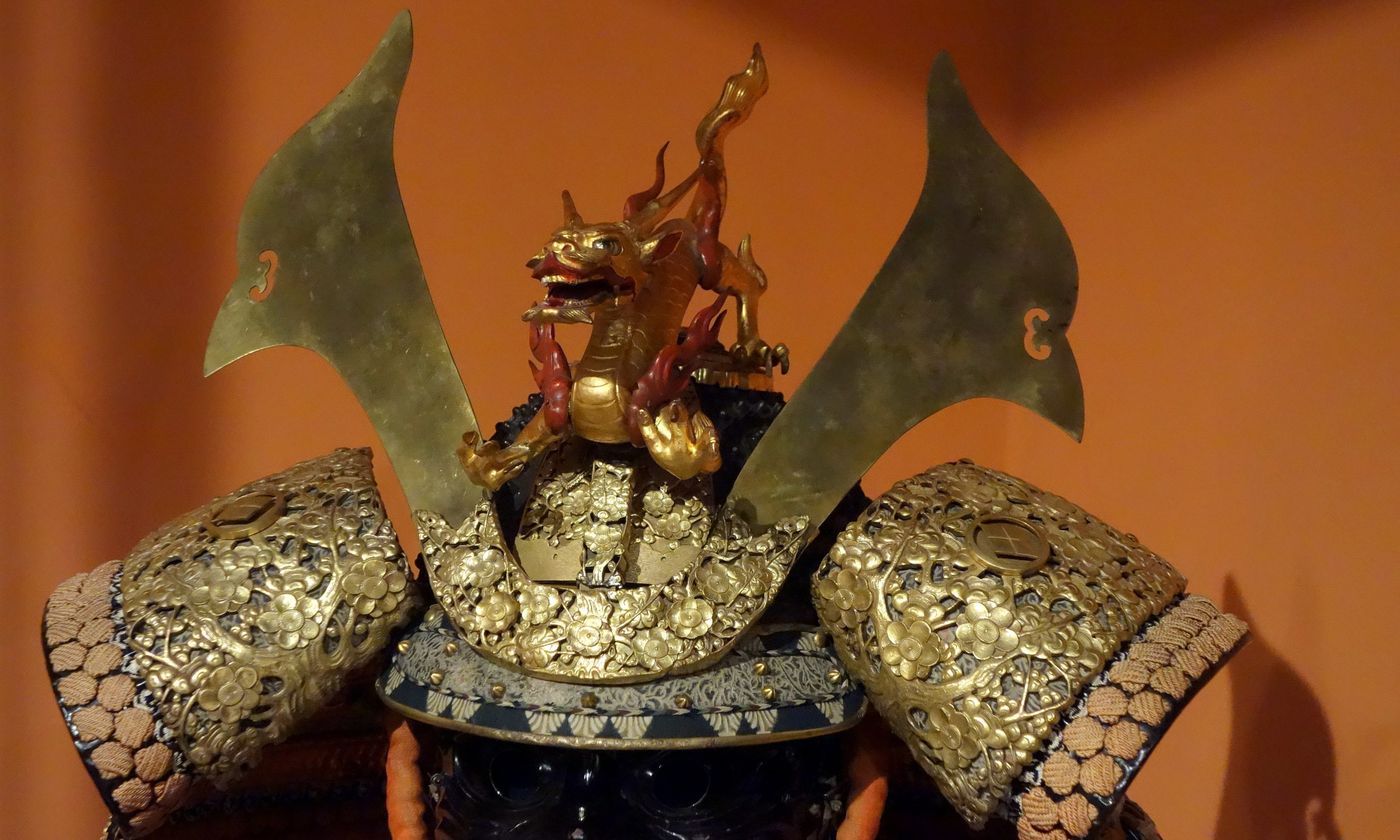
Most museums about samurai are glass cases with labels. This one hands you the armour.
The Samurai & Ninja Museum sits a few streets back from Senso-ji in Asakusa, spread across multiple indoor floors, and it’s built around doing things rather than reading about them. That combination — hands-on, indoors, in a neighbourhood you were probably visiting anyway — makes it one of the more reliable ways to save a washed-out afternoon in Tokyo.
Three stations serve it, and they are not equal in the rain
This is the practical detail that most write-ups skip. The museum is at 1-8-13 Nishi-Asakusa, Taito-ku, and three different stations reach it:
- Tawaramachi Station (Tokyo Metro Ginza Line) — 2 minutes on foot.
- Asakusa Station (Tsukuba Express) — 2 minutes on foot.
- Asakusa Station (Tokyo Metro Ginza Line / Toei Asakusa Line) — 8 minutes on foot.
Almost everyone arrives at the third one, because that’s the Asakusa Station that serves Senso-ji and the Nakamise shopping street. In heavy rain, that’s an eight-minute walk you don’t need to take.
If you’re coming from elsewhere in the city and the weather is bad, Tawaramachi is one stop before Asakusa on the same Ginza Line and puts you two minutes from the door. It’s the same trick that works for the tea ceremony venue nearby, and it’s worth checking your route against the actual station rather than the neighbourhood name.
What the basic ticket includes
The entry ticket is a guided experience rather than a self-guided wander. It runs about an hour and covers:
- An English-guided tour of the museum’s samurai history exhibits
- Trying on samurai armour and a helmet
- Throwing ninja stars (shuriken)
- Handling samurai swords for photographs
That hour is the floor, not the ceiling. If the rain has ruined a whole afternoon, the two longer experiences are what you actually want.
The two longer experiences
Both run about two hours and are booked as separate, longer plans:
Ninja training. Shuriken throwing taken further, blowgun work, and related techniques, taught as a session rather than a photo opportunity.
Samurai sword experience. A structured lesson in basic swordsmanship — stance, grip, the fundamentals of how a katana is actually handled — alongside the armour element.
All practice equipment is safe replica gear and no prior experience is assumed. These are beginner sessions by design.
Which one to book
If you’re travelling with children, the ninja session generally lands better: throwing things at targets is immediately rewarding, and there’s less standing still.
If you’re the sort of person who wants to know why a technique exists, take the sword lesson. It’s the more instructional of the two.
If you only have an hour or you’re fitting this between other bookings, the basic ticket genuinely does include the armour and the shuriken — you are not paying purely to look at cabinets.
On the weather claim
The museum is an indoor, multi-floor facility, and the operator describes the Tokyo location that way. Everything described above happens under a roof: the exhibits, the armour, the throwing range, the lessons.
The only outdoor element of your visit is the walk from the station, which is why the station choice above matters more than it looks.
Prices and opening hours: check at booking
We’re not printing a price or an opening time here, and that’s deliberate.
At the time of writing, neither official page states opening hours, last admission or a definitive price list in a form we could confirm. Rates also vary by plan (basic ticket, ninja session, sword session), by adult or child, and by season. Anything we printed would be out of date before your trip.
Both booking routes below show current prices, current availability and the day’s time slots before you commit — that’s the number to trust.
Booking
Entry is by timed reservation. Weekend and holiday slots fill up first, so this is a book-ahead activity rather than a shelter-from-the- rain walk-in. If you’re improvising on the day, check availability from your phone before you set off rather than after you arrive.
Three routes:
- The official site, samuraininjamuseum.com (opens in a new tab), booking direct with the operator.
- GetYourGuide, which lists the sword lesson at this location.
- Klook (affiliate) (opens in a new tab), which lists both the museum-with-experience plan and a combined sword-and-ninja plan in English.
The platforms are useful if you’re already keeping your Tokyo bookings in one place, or if you want free cancellation terms visible up front. The official site is the direct route. Prices are shown on all three before payment, so compare rather than assume.
What to wear
No dress code applies, but two practical notes from the format itself:
You’ll be putting armour on over your own clothes, so something simple and not bulky underneath makes that faster and more comfortable. And you’ll be moving — throwing, swinging, adopting stances — so this is not the afternoon for the outfit you were saving for dinner.
If it’s pouring, remember you’ll be carrying a wet umbrella into a building where you’ll shortly have your hands full. A compact folding one that lives in a bag is worth more than a good one you have to keep track of.
Building the rest of a wet Asakusa day around it
Asakusa is unusually forgiving in bad weather, which is why stacking bookings here works.
Within a short walk you have Senso-ji’s main hall, the covered Nakamise shopping street, and the arcade sections that give you somewhere to stand when it’s heaviest. A two-hour session at the museum plus a beginner tea ceremony — also indoors, also nearby, also reservation-based — fills an entire afternoon without either of them depending on the sky.
Book the two with a gap between them, and give yourself more margin than you think you need. Rain slows everything in Tokyo, including you.
For a full day planned this way, see our rainy-day Tokyo itinerary.