A cooking class is close to the perfect rainy-day booking. You’re indoors for a couple of hours, you’re doing something rather than looking at something, and it ends with a meal — so it replaces lunch or dinner rather than sitting on top of it.
Then you see the price, and the perfect booking starts looking like a decision.
Start with the number, because it’s the surprise
At CHAGOHAN TOKYO in Asakusa:
| Class | Price |
|---|---|
| Nigiri sushi | ¥18,700 |
| Ramen and gyoza | ¥18,700 |
| Hand-made soba | ¥19,800 |
| Sushi with a fish market tour | ¥29,700 |
| Private class (1–2 people) | from ¥77,000 |
Those are per person, tax included.
Put that next to the other bookable Asakusa experiences we cover and the gap is stark. A beginner tea ceremony runs about 90 minutes for around ¥6,000. The Samurai & Ninja Museum’s two-hour sessions sit well below this too.
So a sushi class is roughly three times a tea ceremony. That isn’t a criticism — it’s a different product, with ingredients, a working kitchen, and a meal at the end — but it’s the kind of thing you want to know before you’re on the booking page with your card out, not after.
What the price actually includes
The schools state that classes cover ingredients and instruction, and that you eat what you cook at the end. Some classes bundle extras — the tea ceremony classes at CHAGOHAN specify that matcha is included.
That last point reframes the cost. A sushi class isn’t a ¥18,700 activity; it’s a ¥18,700 activity-plus-meal. If you’d otherwise spend ¥3,000–5,000 on a decent lunch, the real premium over an ordinary afternoon is smaller than the headline.
It’s still a splurge. It’s just a more defensible one than the number first suggests.
The two schools worth knowing
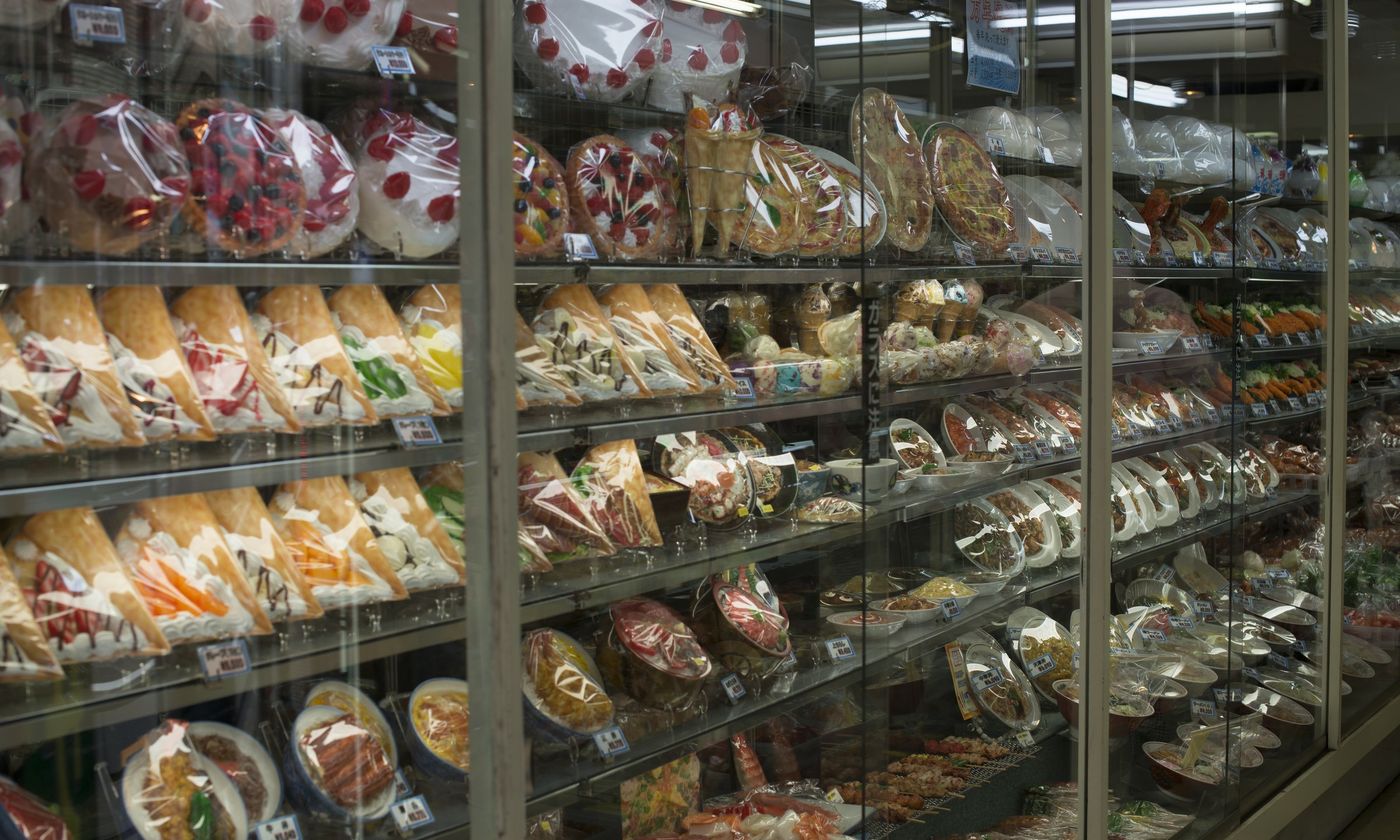
CHAGOHAN TOKYO — Asakusa. 1F, 2-17-13 Nishi-Asakusa, Taito-ku. This puts it in Kappabashi, Tokyo’s restaurant-supply street, which is a genuinely good place to be on a wet day: it’s lined with knife shops, ceramics and the plastic food samples people come to photograph. If your class ends and the rain hasn’t, you’re already somewhere worth browsing.
The range is broad: nigiri sushi, rolled sushi, ramen and gyoza, hand-made soba, tempura, okonomiyaki, katsudon, matcha and mochi (wagashi), kaiseki, shojin vegetarian temple cuisine, a matcha tea ceremony, sake pairing, and the fish-market-tour sushi class.
TSUKIJI COOKING — Tsukiji. SOLASIA BLDG. TSUKIJI 5F, 4-13-8 Tsukiji, Chuo-ku. Sushi, Japanese home cooking, vegetarian-friendly and gluten-free options, and wagashi — Japanese sweets. The school describes itself as “an English-friendly Japanese cooking school.”
If someone in your group has dietary restrictions, TSUKIJI COOKING is the one that says so on its own site. That’s worth more than a general assurance.
What neither school publishes — and what to ask
This is the useful part, and it’s where most write-ups go quiet.
Across both official sites, we could not find:
- How long a class runs. Not stated anywhere we could check.
- Walking time from the nearest station. Neither publishes it.
- Maximum class size. CHAGOHAN mentions a venue capacity of around 30 seats and private classes from 1–2 people, but no per-class cap.
- The cancellation policy.
- Allergy and dietary accommodation, beyond TSUKIJI COOKING’s vegetarian and gluten-free classes.
None of that means the answers are bad. It means you have to ask. Before you pay, send one message covering:
- How long does the class run? This decides whether it’s your afternoon or your whole day.
- How many people will be in it? A class of six and a class of twenty-five are different experiences at the same price.
- What’s your cancellation policy? Especially relevant if you’re holding a flexible itinerary.
- Can you handle [your allergy or diet]? Ask in advance; a kitchen can’t improvise around a shellfish allergy at the bench.
- Which station and exit should I use? Neither site publishes walking times, and in the rain the difference between two minutes and ten matters.
A school that answers those five clearly is a school worth booking. One that doesn’t, isn’t.
Why this works on a wet day specifically
You’re inside for the whole thing, in a working kitchen, and the weather never enters the plan.
It’s active. By the third indoor attraction of a rainy trip, looking at things stops working. Doing something resets the day in a way another museum doesn’t.
It ends with food, which means you’re not walking back out into the rain hungry and hunting for somewhere with a queue.
It’s bookable ahead. Unlike a sento or a department store food hall, this is a fixed commitment — which is a strength if you already know the forecast is bad, and a weakness if you’re improvising.
Choosing between them
CHAGOHAN if you want the widest range of dishes, or you want to be in Asakusa where the rest of a wet day is easy to fill — Senso-ji, the covered Nakamise street, and Kappabashi are all right there.
TSUKIJI COOKING if dietary needs matter, or you specifically want a wagashi class, which is harder to find than sushi.
Neither if the price makes you wince. The tea ceremony delivers a comparable amount of hands-on Japanese culture for roughly a third of the cost, and we’d rather point you there than have you book something that felt expensive afterwards.
Before you book
- Budget ¥18,700–19,800 per person for a standard class, more with a market tour.
- Count the meal when you’re comparing it to a museum ticket.
- Ask the five questions above — the sites don’t answer them.
- Book ahead. These are scheduled classes, not walk-ins.
For a full wet-weather day around Asakusa, see our rainy-day Tokyo itinerary.